
You have no items in your shopping cart.

What Is Niacinamide?
Benefits for Skin, Pigmentation, Redness & Barrier Repair

Niacinamide has become one of the most searched skincare ingredients globally. From “niacinamide serum for pigmentation” to “does niacinamide help with redness?” and “is niacinamide good for sensitive skin?”, interest continues to grow.
But beyond the trend, why is niacinamide so consistently recommended by dermatologists and cosmetic physicians?
At Rejuvaus, niacinamide is not used as a marketing hero ingredient. It is used as a structural ingredient, one that supports how skin functions.
This article explains what niacinamide is, how it works in the skin, its benefits for pigmentation, acne, redness and enlarged pores, and why formulation quality matters more than percentage alone.
What Is Niacinamide?
Niacinamide is a biologically active form of Vitamin B3, an essential nutrient involved in cellular energy production and DNA repair.
In skincare, niacinamide supports:
Skin barrier repair
Redness reduction
Oil regulation
Uneven skin tone and pigmentation
Hydration retention
Inflammation control

Unlike niacin (another form of Vitamin B3), niacinamide does not cause flushing when properly formulated. This is why it is widely tolerated across sensitive, acne-prone, mature and reactive skin types.
Why Is Niacinamide So Popular in Skincare?
Niacinamide became popular because it addresses multiple concerns at once.
Modern skincare routines are moving away from excessive layering. Instead, consumers want:

Fewer products
Better tolerance
Multi-functional performance
Long-term barrier support
Niacinamide delivers on all four.
It supports several biological pathways simultaneously, rather than targeting just one symptom. This makes it foundational in professional-grade formulations.
How Niacinamide Works at a Cellular Level
Niacinamide supports the production of NAD (nicotinamide adenine dinucleotide), a molecule critical for cellular repair and energy.

Stronger Skin Barrier.- Niacinamide stimulates ceramide production in the stratum corneum. Ceramides are essential lipids that reduce transepidermal water loss and improve resilience.
Reduced Redness and Inflammation.- Niacinamide modulates inflammatory pathways, helping calm visible redness and irritation.
Pigmentation Support.- Niacinamide reduces melanin transfer within the skin. This helps improve uneven tone and reduce the appearance of dark spots over time.
Oil Regulation and Pore Appearance.- Rather than stripping oil, niacinamide helps regulate sebum activity. This can lead to visibly refined pores and improved clarity.
It does not shrink pores physically. it improves the biological factors that make them appear enlarged.

Niacinamide for Different Skin Types
What Percentage of Niacinamide Is Best?

Clinical research shows:
2–5%
supports barrier repair and redness reduction
5–10%
improves oil balance and pigmentation support

However, higher percentages are not automatically better.
High free-form niacinamide concentrations can cause tingling or flushing in some individuals.
This is where formulation becomes critical.

Encapsulated Niacinamide: Why Delivery Matters
Encapsulation surrounds niacinamide in a protective carrier that controls release into the skin.
Benefits of encapsulated niacinamide:
Improved stability
Reduced irritation risk
Gradual absorption
Better compatibility with other actives
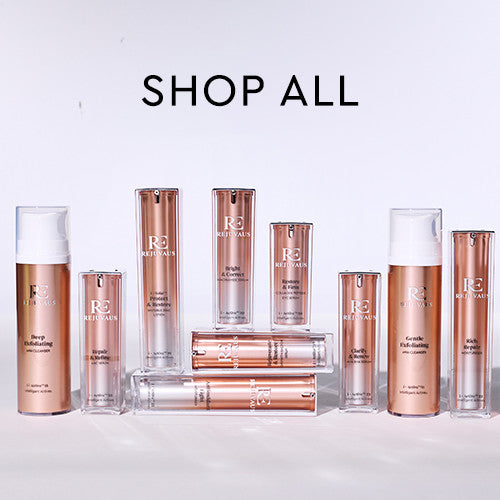
In the Rejuvaus Bright & Correct Niacinamide Serum, 10% encapsulated niacinamide is used within a broader multi-pathway system.

Rather than relying on niacinamide alone, the formula combines:
Beta-White™ peptide
ChromaBright™ molecule
Kakadu Plum (Vitamin C)
Australian Caviar Lime
Dual-weight Hyaluronic Acid
Multi-biotics
This multi-pathway design supports pigmentation regulation, barrier function and hydration simultaneously.
The result is improved tone without aggressive correction.
Can Niacinamide Be Used With Retinol or Vitamin C?

Yes. Niacinamide works well with:
Retinaldehyde
Peptides
Hyaluronic acid
Ceramides
AHA/BHA exfoliants
Mineral sunscreen
In fact, niacinamide often improves tolerance to stronger actives.
Rejuvaus serums are designed to be blended rather than layered, allowing niacinamide to support barrier strength while other ingredients perform their roles.
Common Myths About Niacinamide
Myth: Higher percentages work faster
Reality: Delivery system and barrier support matter more than raw percentage.
Myth: Niacinamide causes flushing
Flushing is typically linked to niacin, not properly formulated niacinamide.
Myth: Niacinamide is only for oily skin
Niacinamide benefits dry, mature and sensitive skin due to its barrier strengthening properties.


How Long Does Niacinamide Take to Work?
Improved hydration within 1–2 weeks
Reduced redness within 4 weeks
More even tone within 6–8 weeks
Long-term barrier improvements continue with consistent use.
Niacinamide performs best when paired with daily UV protection.